> For the complete documentation index, see [llms.txt](https://saint-hollow.gitbook.io/saint-hollow-roleplay/llms.txt). Markdown versions of documentation pages are available by appending `.md` to page URLs; this page is available as [Markdown](https://saint-hollow.gitbook.io/saint-hollow-roleplay/normativa-nativa/territorio-nativo-todo-el-espacio-fuera-de-wapiti.md).
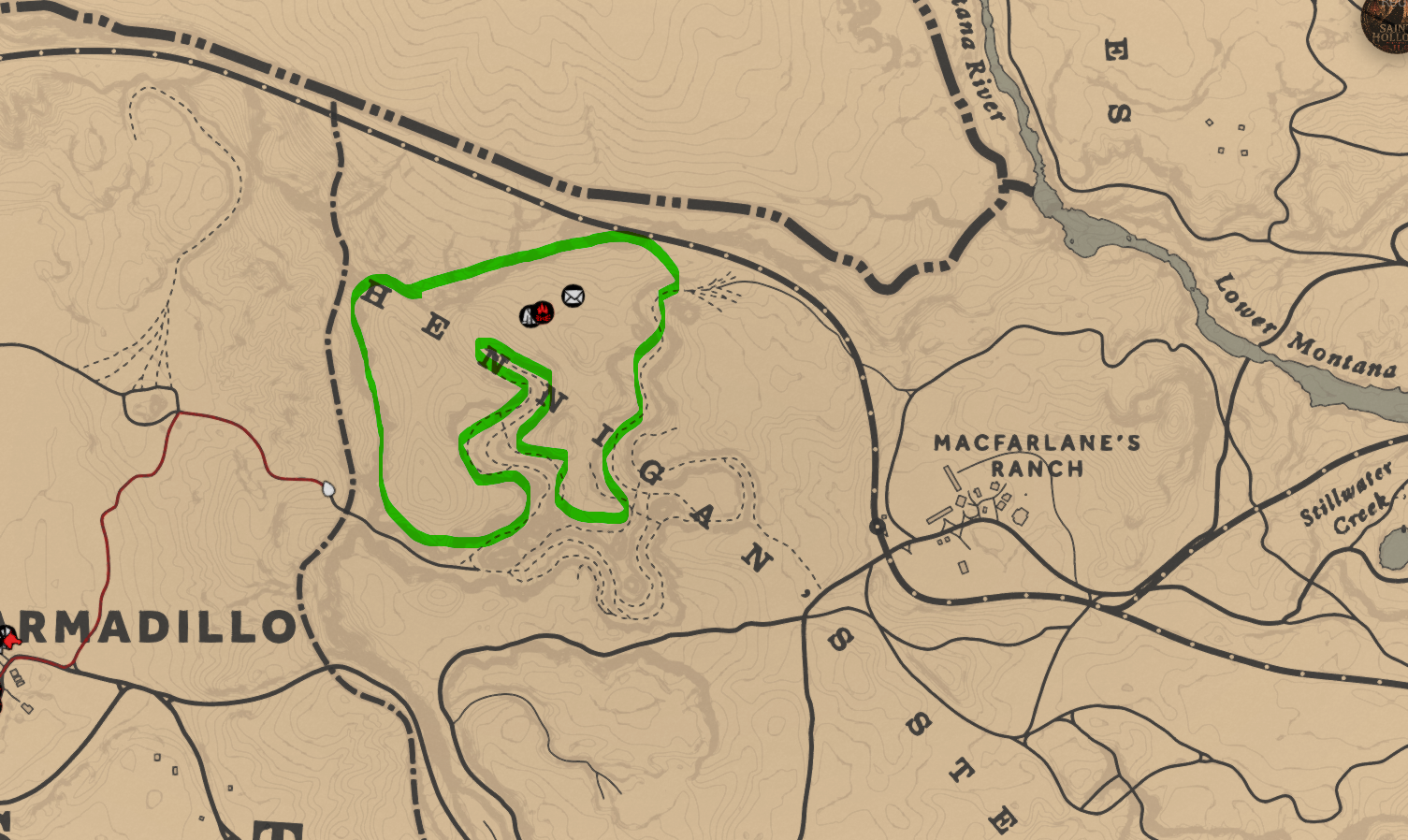
# Territorio Nativo – Todo el espacio fuera de Wapiti
Incluye praderas, bosques, ríos, montañas, zonas de caza, lugares
\
sagrados y campamentos tribales.
* Cada vez que alguien entre y salga de la zona de la Reserva Nativa es **obligatorio** tirar **/nativo** apenas cruce el límite. Si no lo hace, se tomará como Falta a la normativa.
* Dentro de la reserva, los nativos cumplen el rol de “policías” del territorio. Si alguien entra sin permiso, podrán perseguirlo para advertirle y exigir que se retire.
* Si la persona vuelve a entrar después de haber sido advertida, o insiste de forma reiterada en meterse a la zona, los nativos estarán autorizados a hacer **CK** al personaje como defensa de su territorio.
* Está totalmente prohibido usar la Reserva Nativa como escondite o ruta de escape cuando te estén persiguiendo policías u otros personajes. Hacerlo será considerado abuso de zona y falta grave.
* El /nativo deberá mandarse cada 10 minutos si se sigue estando dentro de la zona
-Política de entrada estricta: Prohibida la entrada a no nativos (wasichus o
no calificados), sin excepciones automáticas.
\
1º Aunque una tribu sea pacífica o tenga relación con blancos →
\
expulsión obligatoria.
2º Razones: Evitar conflictos intertribales (una tribu acepta → otra
\
lo ve como traición).
3º Proteger la seguridad del intruso (entorno impredecible: otras
\
tribus, animales, terreno hostil).
4ºTribus defienden su territorio con libertad: guerras intertribales
\
permitidas si no hay acuerdo (respeto total en Wapiti)\
\

asi mismo en New Austin, esta zona corresponderá a territorio nativo
---
# Agent Instructions
This documentation is published with GitBook. GitBook is the documentation platform designed so that both humans and AI agents can read, navigate, and reason over technical content effectively. Learn more at gitbook.com.
## Querying This Documentation
If you need additional information that is not directly available in this page, you can query the documentation dynamically by asking a question.
Perform an HTTP GET request on the current page URL with the `ask` query parameter, and the optional `goal` query parameter:
```
GET https://saint-hollow.gitbook.io/saint-hollow-roleplay/normativa-nativa/territorio-nativo-todo-el-espacio-fuera-de-wapiti.md?ask=&goal=
```
`ask` is the immediate question: it should be specific, self-contained, and written in natural language.
`goal` is optional and describes the broader end goal you are ultimately trying to accomplish on behalf of the user. GitBook uses it to tailor the answer towards what is most useful for that goal.
The response will contain a direct answer to the question and relevant excerpts and sources from the documentation.
Use this mechanism when the answer is not explicitly present in the current page, you need clarification or additional context, or you want to retrieve related documentation sections.